

Infrastructure Sustainability – what is it?
Infrastructure sustainability is about balancing triple bottom line trade-offs, and extends beyond just addressing ecological concerns. However, it is “not simply a matter of trading off positive impacts in one area against negative impacts in another. A successful development builds on the three pillars and achieves economic success, social benefit and high environmental quality together”.
The Royal Academy of Engineering (2005) Engineering for Sustainable Development: Guiding Principles, London.
MJC Sustainability has had a long association with the pursuit of sustainable outcomes from significant infrastructure projects. Finally in Australia we have a robust rating tool, that is nationally recognised and now often specified in government tenders for significant infrastructure projects. The Infrastructure Sustainability Rating Tool was developed and is administrated by the Infrastructure Sustainability Council of Australia (ISCA). You can find all the details at their website here.
The key features of the rating tool are:
MJC Sustainability is also an accredited Infrastructure Sustainability professional, which means we can guide you through the application of the rating tool, towards being awarded a level of recognition for the sustainability performance of your project.
Why you need to pursue it now
The drivers to pursue improved sustainability performance in infrastructure delivery are many and varied, but they all lead to one common outcome – enhanced shareholder value.
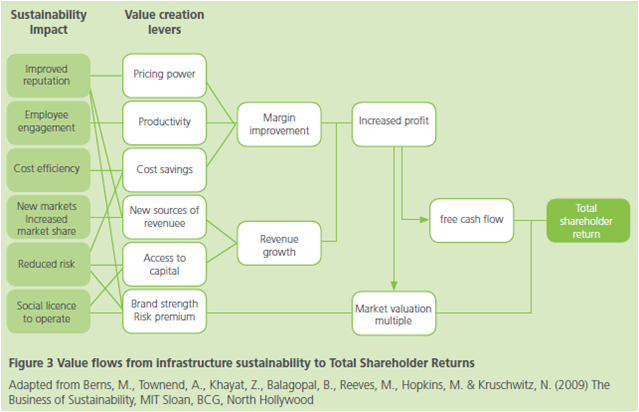
As we have seen with the history of the application of rating schemes such as GreenStar, BREEAM, LEED and others, the development and application of rating tools leads to improved performance across whole industries and significant whole-of-lifecycle cost savings. Other benefits that should interest you are:
About the Author
Monique Chelin is an internationally recognized sustainability consultant, Infrastructure Sustainability Council assessor, and Australia’s first PRiSM™ Green Project Management trainer. With over 20 years of experience delivering major capital projects across mining, infrastructure, and government sectors, Monique specializes in ESG risk management, project rescue, and sustainability reporting. She has worked with organizations including BHP Billiton, Virgin Australia, and the Australian Federal Government across Australia, Africa, Asia, the Middle East, Fiji, and Papua New Guinea. Monique is the founder of MJC Sustainability and a passionate advocate for integrating UN Sustainable Development Goals into business practice.
Connect with Monique: LinkedIn | monique@mjcsustainability.com